





Before You Start: Set Up A Clean Session
Most access problems are avoidable. This piece is about getting into your Betchain Casino account from Australia in a straightforward, repeatable way. If you are about to enter your account from a new phone, a shared computer, or shaky Wi-Fi, do a quick pre-check first. Picture a five-minute break at work: you want to get in, play a few spins, and leave without drama. Betchain Casino is presented as available to users in Australia, and it is meant for adults who follow local rules and age requirements. Use a stable connection, update your browser, and close tabs that might interfere with pop-ups or security prompts.
Device And Browser Checks That Prevent Loops
If the page keeps refreshing or sends you back to the start, cookies or extensions are often the reason. Imagine the lobby appears for a second and then disappears - that is usually a session that never “sticks.” Try a private window to test, then clear cookies for that service and disable extensions one by one until the session holds.
If you use a VPN or a strict privacy mode, test once without it. You are not “weakening security” by troubleshooting - you are simply removing variables so you can identify what is blocking the session.
Recovery Details You Should Confirm First
Password resets are painless only when your recovery channels work. Think of the moment you forget your password on a new device - the code goes to an inbox you cannot open or a number you no longer use. Before you proceed, make sure you can access your email and phone right now, and store backup codes safely if they are offered.
A quick habit that helps: keep recovery messages searchable. If your email app filters aggressively, mark messages from the platform as important so future codes do not vanish into a tab you never open.
Account Entry On Desktop And Mobile: A Practical Flow
A smooth sign-in routine is simple, but it is easy to rush. For Betchain Casino, the fastest results usually come from doing the same few steps every time. Imagine you switch from desktop at home to mobile while commuting - the steps should feel identical. Type credentials carefully on a new device instead of relying on autofill, then confirm any extra check (like a one-time code) and wait for the session to load fully before tapping anything else.
On mobile, watch your keyboard. Auto-correct and auto-capitalization can quietly change characters, so if you fail twice, slow down and retype rather than repeating the same mistake. If the page feels stuck, switch networks (Wi-Fi to mobile data or back), reload, and try once more with the same calm pace.
When you finish a session, log out, especially on shared devices. A quick test is simple: refresh the page - if you are still inside, you did not fully exit.
Making New Devices “Trusted” Without Losing Control
Many players want convenience, but convenience should be earned. Picture a weekend trip where you log in from a friend’s tablet - saving that device as trusted is usually a bad idea. Instead, keep trust for your personal phone and your main computer only, and avoid “remember me” options on borrowed hardware.
If you really need access from a temporary device, treat it like a disposable session: sign in, do what you need, log out, and clear the browser data afterward. It is boring, but it stops your account from lingering where it should not.

Fixing Common Access Errors Without Guessing
When access fails, change one variable at a time and retest. Picture this: you have a withdrawal waiting and you cannot get in - random “fixes” waste time. Start with credentials, then browser, then network, then security checks. Keep your attempts spaced out; repeated rapid tries can trigger security locks on many platforms.
“Wrong Password” When You Know It Is Right
This often comes from hidden spaces, keyboard layout changes, or an out-of-sync password manager. Imagine you copy a password from notes and it fails every time - check for an extra space at the end, or type it manually once to confirm. If you use multiple languages, verify your keyboard layout before trying again.
If you recently changed your password, confirm your password manager updated everywhere. A mismatch between phone and laptop is a classic trap: you “know” the password, but one device is still holding the old one.
Codes And Confirmations That Arrive Late
One-time codes can be delayed by email filtering or carrier timing. The classic scenario: you tap resend three times, then enter the first code you receive, and it fails. Request a code once, wait, check spam or filtered folders, and use only the newest code that arrives.
If codes arrive, but too slowly, switch delivery method if available. For example, some players get faster results through email than SMS depending on their coverage and filtering.
Keeping Your Account Safer In 2026
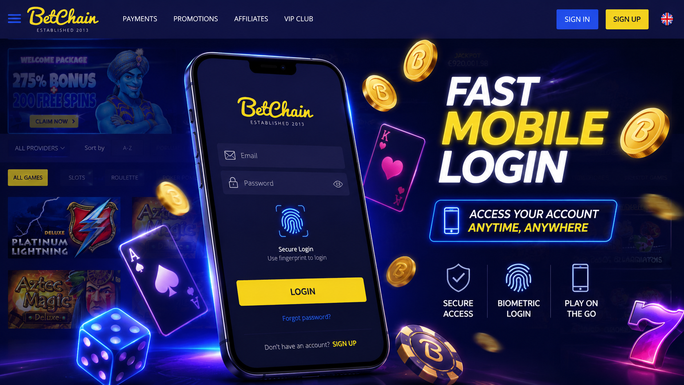
Security should not slow you down. Imagine you are traveling and must access your balance from a hotel network - the safest routine is short and consistent. Use a unique password, turn on extra verification if available, and avoid saving credentials in shared browser profiles.
Enable alerts for new device access or password changes when possible. These notifications are quiet most days, but they help you react fast if something looks off. If you ever suspect unauthorized access, change your password from a trusted device, sign out other sessions if that option exists, and contact support with a clear timeline of what you noticed.
Small Privacy Habits That Actually Stick
The best security tips are the ones you will follow on your worst day. Picture a friend asking to borrow your phone for a call - you do not want a one-tap path into your account sitting open. Lock your phone with a short timeout, require biometrics for your password manager, and avoid storing credentials in a shared browser profile.
Also, keep your play private in physical spaces. If you are in a cafe, tilt your screen away from foot traffic and avoid entering sensitive details where people can look over your shoulder. It sounds old-school, but it prevents the easiest kind of compromise.
Deposits, Cashouts, And Identity Checks: What Players Actually Do
Money features work best when you treat them as a process, not a button. Imagine you win and want to withdraw before dinner - the request is usually smoother if your profile details match your payment method and any verification is already done. Start small on a new method, confirm it works, then scale up.
If identity checks are requested, take clear photos in good light and submit them once, carefully. Most delays happen because files are unreadable or details do not match. Keep a simple note of your own activity (date, method, amount) so you can explain issues without hunting through screenshots.
Here is a quick comparison you can use as a decision checklist. Availability can vary by method and situation, so focus on the “what to double-check” column.
Method Type | Typical Use Case | What Players Double-Check | Common Friction Point |
|---|---|---|---|
Bank Card | Fast deposits and familiar flow | Name match, issuer limits, extra approval | Declines or security holds |
Bank Transfer | Budgeting and larger amounts | Reference details, bank processing hours | Slower completion window |
E-Wallet | Quick moves and separate balance | Wallet verification status | Extra prompts or lockouts |
Prepaid Voucher | Fixed spending control | Regional acceptance, code entry | Often not used for payouts |
Crypto Option | Tech-friendly funding choice | Network selection, address accuracy | Mistyped details or delays |
Withdrawal Requests: Reduce Friction From The Start
Withdrawals tend to be where players feel delays the most, mainly because extra confirmation steps can appear. Imagine you request a payout right after switching your deposit method - you may be asked to confirm details again. To keep things smooth, withdraw to a method that matches your verified profile details, and avoid making multiple changes at once.
After you submit a request, do not “set and forget.” Check your email, keep notifications on, and respond quickly if additional information is requested. Many slowdowns are not processing problems at all - they are missed messages.
Responsible Play Tools For Australian Users
Responsible play is easiest when you set limits early. Picture a tired evening where you are playing to unwind - that is when a session timer or deposit cap protects you from drifting. Use spending limits, timeouts, and cooling-off breaks if they are available, and review your activity weekly so the hobby stays fun.
A practical mindset: decide your budget and time before you start, not after you have already lost track. If play starts to feel stressful or compulsive, take a longer break. Self-exclusion tools exist to protect adult players, and using them is a practical decision, not a moral failure.

Support: How To Get Help Faster
Support is most effective when you send a clear report. If you are contacting Betchain Casino support, give them enough detail to replicate the issue on their side. Imagine you write “it does not work” while frustrated - you will get a generic checklist. Instead, share your device type, browser/app version, the exact step where it fails, and what you already tried (private window, different network, password reset).
Keep your message short, but specific. One clean paragraph beats five emotional ones. And if you are in Australia and traveling between networks or time zones, mention that too - it helps support understand why codes may arrive late or why sessions behave differently.
Questions Worth Asking In One Message
Ask for specific actions: can they confirm whether your account is locked, whether a security hold is active, or whether verification is pending. Picture a withdrawal that looks stuck - “Is any additional information needed from me?” usually gets a faster, clearer answer than a vague complaint.
If the issue feels urgent, explain why in one sentence and keep the rest factual. Then be ready to follow instructions exactly; most tickets slow down because users skip a step, then come back with partial results.